


south west whale research collective
Where whale research fosters community, connection and conservation.

about the collective
The South West Whale Research Collective (SWWRC) is a collaborative, multidisciplinary initiative that brings together expertise and resources to study whale populations in the South West region of Western Australia.
This volunteer-run collective serves as a hub for collaboration, knowledge exchange, and mutual support among whale researchers, advancing marine science that informs conservation and management.
PURPOSE
Deepen understanding, strengthen protection, and celebrate the marine mammal populations of the region.
AIM
Produce impactful science that promotes sustainable research practices while inspiring meaningful community engagement.
COLLABORATION IN ACTION
The Collective brings together researchers from complementary organisations to collaborate, share knowledge, and strengthen whale research and conservation efforts; volunteering their time to form the backbone of the collective.
BEYOND THE SCEINCE
Together, we weave science, art, and community to engage the public and highlight the vital importance of marine conservation.
SWWRC CONTRIBUTORS


community focus
WHALE RESEARCH THAT FOSTERS COMMUNITY, CONNECTION AND CONSERVATION.
What sets the South West Whale Research Collective (SWWRC) apart is our strong focus on community engagement and science communication. We’re not just studying whales, we’re working with the public to inspire collective stewardship and action for the protection of marine mammals in our region.
Founded by Chris Burton, the long-term land-based whale sightings program, the SouWest Whale Ecology Study, lies at the heart of our work. Centred on citizen science, it has grown to include over 100 trained community members, with around 40 active regular participants each season.
THIS PROJECT EXISTS BECAUSE OF - AND THRIVES ON - THE POWER OF COMMUNITY.
Through annual citizen-science training programs, public whale research information sessions, and internships on local whale-watching vessels, our dedicated team of volunteer researchers empowers people to take an active role in marine science. Together, we’re generating research outcomes that inform local conservation and policy decisions, from identifying Important Marine Mammal Areas (IMMAs) to enhancing public awareness and protection efforts across the South West.

tracking giants: research methods

We’re a passionate group of researchers working to deepen knowledge of marine mammal populations along Western Australia’s stunning south west coast.
Across our team of experts, we use a diverse set of tools and methods to help us understand how many whales use the South West region, identify critical habitats, measure the overall health of the populations and further understand seasonal presence and exposure to human activities.
Remotely Piloted Aircrafts
Vessel Surveys
Photo-Identification
Aerial Surveys
Land-Based Surveys & Citizen Science
Acoustics

meet the team
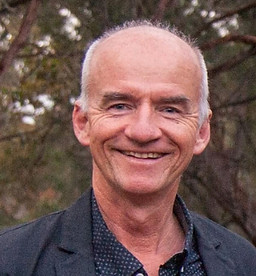
Chris Burton
Chris has over 30 years of experience in marine mammal research, specialising in photo-identification. He is the co-founder of the long-term whale monitoring and citizen science program in Geographe Bay, the SouWest Whale Ecology Study, and the founder of Western Whale Research.

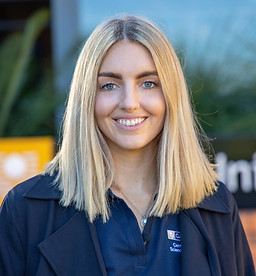
Brodee Lowe
Brodee is a marine mammal scientist and PhD candidate at Curtin University’s Centre for Marine Science and Technology. Her thesis explores the socio-cultural value and acoustic ecology of pygmy blue whales in Australian waters. Alongside Emily, she is also the co-founder of the MIM Network and MFOS Australasia.
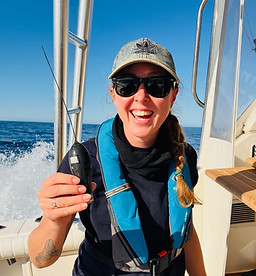
Dr Grace Russell
Grace completed her PhD on the body condition of humpback and blue whales in Australia in 2023. Using RPAs, she continues to study baleen whale body condition with a focus on the Southeast Indian Ocean population of pygmy blue whales.
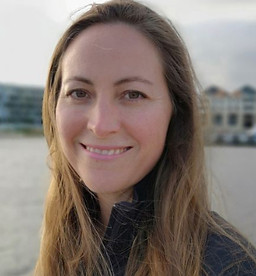
Professor Chandra Salgado Kent
Chandra is a marine ecologist with over 25 years’ experience in marine mammal research, ecological modelling, bioacoustics, and human impacts. She is Director of Oceans Blueprint and Professor at Edith Cowan University, focusing on blending science with storytelling to promote ocean conservation.

Emily Evans
Emily is a marine scientist specialising in marine mammal research, with a focus on the acoustic and population ecology of dwarf minke whales off Western Australia. She is the co-founder of the MIM Network and MFOS Australasia, alongside Brodee.

Alexandra D’Cruz
Alex is a Research Scientist at Oceans Blueprint and Edith Cowan University focusing on marine mammal ecology. With a range of collaborators across Australia and as part of SouWEST, Alex is studying the population ecology of pygmy blue whales and their exposure to human activity.

get involved!
Join SWWRC as a volunteer to start making a difference in science and the community.